

GRI Standards
Assessment of organisations' impacts on the economy, environment and people, identification of material topics, and preparation of sustainability reports in accordance with the GRI Standards.

We translate corporate sustainability performance into transparent and comparable reports aligned with international standards.
↓We support organisations in establishing reporting processes tailored to their areas of operation, reporting requirements and sustainability objectives.
Assessment of organisations' impacts on the economy, environment and people, identification of material topics, and preparation of sustainability reports in accordance with the GRI Standards.
Assessment of sustainability-related and climate-related financial risks and opportunities under TSRS 1 and TSRS 2, preparation of the required disclosures, and management of the reporting process.
Technical support for reporting financially material sustainability and climate-related information in accordance with international sustainability disclosure standards.
Support for assessing applicable requirements under the European Union's sustainability reporting framework, conducting double materiality assessments, and preparing ESRS-compliant disclosures.
At SIM Consultancy, we combine our technical knowledge of international sustainability reporting standards with practical experience in preparing reports across different sectors.
We provide consultancy services covering the assessment of organisations' environmental, social and governance performance, identification of material topics, data analysis, and preparation of reports in accordance with the GRI Standards.
Our expertise in TSRS is supported by specialists who successfully passed the first Corporate Sustainability Reporting Specialist (KSRU) examination administered by the Public Oversight Authority (KGK), as well as experienced professionals who have served as instructors in KSRU training programmes.
Drawing on this expertise, we help organisations meet their reporting requirements, reliably communicate their sustainability performance, and establish transparent reporting processes.
Find answers to frequently asked questions about GRI, TSRS and professional qualifications in corporate sustainability reporting.
The Global Reporting Initiative (GRI) Standards are international standards for reporting organisations' impacts on the economy, environment and people. Reporting under these standards addresses significant impacts, management approaches, stakeholders and performance indicators.
The GRI Standards focus on organisations' significant impacts on the economy, environment and people. TSRS, on the other hand, addresses the effects of sustainability-related risks and opportunities on an organisation's financial prospects. The two frameworks can be used in a complementary manner, taking their respective requirements into account.
The Turkish Sustainability Reporting Standards (TSRS) establish requirements for preparing sustainability-related financial disclosures. TSRS 1 covers general sustainability-related disclosures, while TSRS 2 addresses climate-related disclosures.
The Corporate Sustainability Reporting Specialist (KSRU) qualification is part of a professional licensing system administered by the Public Oversight Authority (KGK). Individuals who pass the relevant examination and meet the additional licensing requirements may obtain a KSRU licence upon completion of the necessary procedures.
Sustainability reporting requires the interpretation of standards, collection of data from different departments, materiality assessments, and preparation of disclosures. Experienced specialists help ensure that these processes are carried out systematically and consistently.
No. Providing consultancy services during the reporting process and preparing a sustainability report are distinct activities from conducting an independent assurance engagement. Holding a KSRU qualification does not, in itself, confer authorisation to perform independent sustainability assurance engagements.
We define the scope of each engagement based on the selected reporting standard and the organisation's needs, and systematically manage data collection, analysis and report preparation.
The scope of the report is defined by assessing the organisation's reporting needs, obligations and objectives.
Gaps are identified by comparing the existing data infrastructure and practices against the applicable reporting requirements.
Material topics, impacts, or financial risks and opportunities are assessed according to the approach required by the relevant standard.
Reporting indicators, data sources, responsibilities and calculation methodologies are structured.
Collected information is reviewed, performance indicators are analysed, and the required disclosures are prepared.
The report content is developed, its compliance with applicable standards is assessed, and the report is finalised for publication.
Selected projects to which we have contributed through the assessment and reporting of sustainability performance across different sectors.
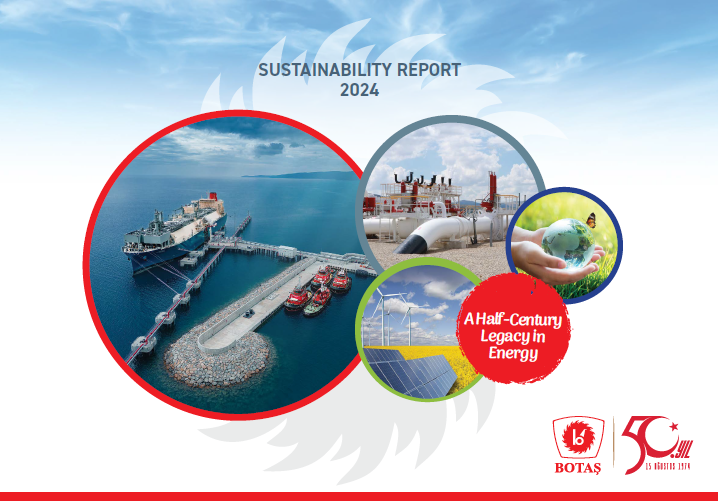 2024 / ENERGY
A GRI-based sustainability reporting project covering topics specific to the energy sector.
↗ VIEW REPORT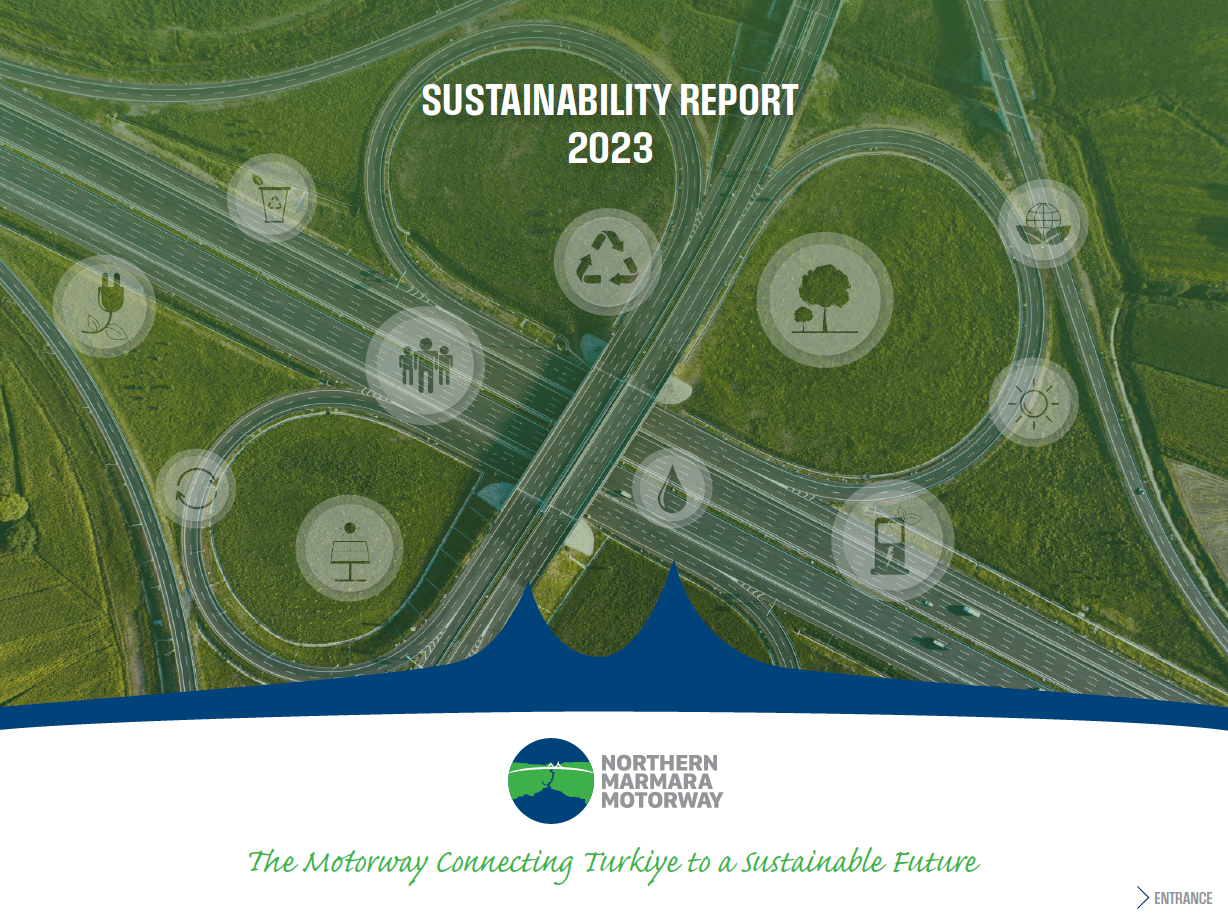 2023 / TRANSPORT
A report aligned with the GRI Standards, addressing corporate sustainability performance and material topics.
↗ VIEW REPORT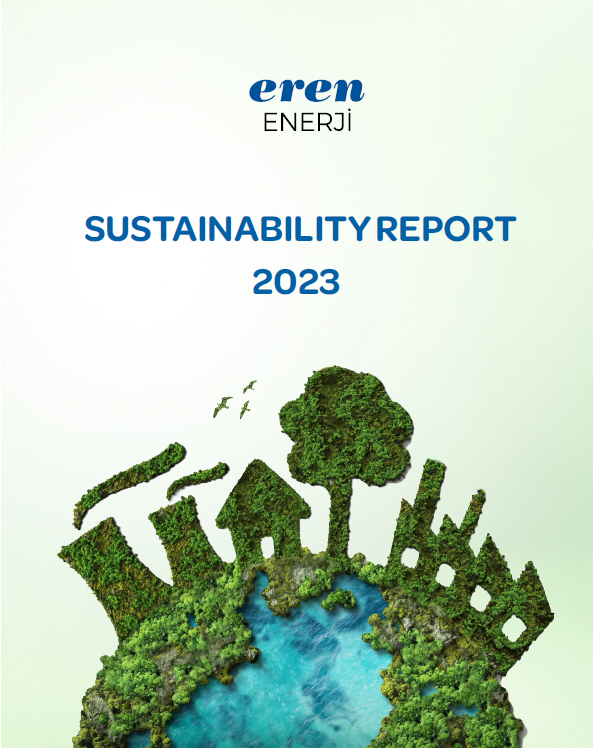 2023 / ENERGY
A sustainability report addressing environmental, social and governance performance within the framework of the GRI Standards.
↗ VIEW REPORTThe content of the reports and the reported performance information belong to the respective organisations. The scope of SIM's consultancy contribution may vary by project.